The Story of the American Expeditionary Forces
|
Commentary
By Editor Michael E. Hanlon
 U.S Flanders Field Cemetery
Waereghem, Belgium

|
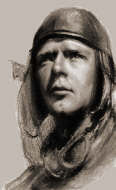
My parents, like many in their generation, considered Charles Lindbergh a great American Hero. This is one of the things we never agreed on. After I had read some of the things that Lindbergh had said as spokesman for the American First movement, I concluded the famous aviator was somewhat blind to evil, and an outspoken fool. Since becoming an editor for the Great War Society, however, one episode has been brought to my attention by several readers and I think it should be shared with others. Also, although I cannot say I've changed my opinion about him much, I think this does shed a little light on one reason why Lindbergh so ardently opposed America's entry into the Second World War.
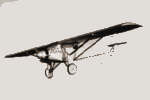
After landing the Spirit of St. Louis in Paris on May 31,1927 to a tumultuous welcome, Lindbergh, while
being driven to the American Embassy, asked to pay a visit to the tomb of France's Unknown Soldier at the Arc de Triomphe. This gives both a clue to his strong feelings about the fallen of the Great War and a preview to a great gesture that followed. Several days later he was invited by King Albert to visit Brussels. At the conclusion of the successful visit, Charles Lindbergh directed his now world-famous aircraft to Waereghem, Belgium, site of the newly-opened American Flanders Fields Cemetery. Bringing the Spirit of St. Louis low over the graves and monuments, Lindbergh opened a window, dropped a wreath of flowers on the graves of his fellow Americans, and then continued his journey. Charles Lindbergh had been too young to serve in the First World War, but it appears that he held his countrymen who had fallen in the war in great esteem. Maybe the regret and sadness he felt over their deaths led him to make some of the poor judgments of his later life with which some of us still associate him.
|
|
Sources and thanks: Photos from the Smithsonian, Library of Congress and American Battle Monuments Commission websites.
|
To find other Doughboy Features visit our
Directory Page
|
For Great War Society
Membership Information
Click on Icon |
For further information on the events of 1914-1918
visit the homepage of
The Great War Society
|
Additions and comments on these pages may be directed to:
Michael E. Hanlon
(medwardh@hotmail.com) regarding content,
or toMike Iavarone (mikei01@execpc.com)
regarding form and function.
Original artwork & copy; © 1998-2000, The
Great War Society
|